
Bringing Literacy Lessons to Life
3-min. read
Discover how to transform your first-grade classroom with real-life connections, vocabulary, and structured lessons that boost engagement for every learner.
3-min. read
By: Felix Saji

As teachers, we all know the uneasy feeling of planning for a day off—not because we don’t deserve the break, but because we’re never quite sure how well things will run without us. A substitute can only do so much when the systems, routines, and expectations live inside our heads.
A few years ago, I shifted toward student-centered classroom routines that help my students own their responsibilities and keep our community running smoothly—even when I’m not there.
Here’s how I set it up and how you can too.
When I taught a class on student-centered classrooms, I emphasized one idea above everything else:
If your class can only function when you are physically present, then your procedures aren’t working.
Kids are capable of so much more independence than we often give them credit for.
When they know what’s expected, how the day will flow, how to transition without direct guidance, and where to get materials or support, they will be able to take ownership. That’s especially important for students with disabilities or students who are neurodivergent. A predictable flow and consistent structure provide students with the tools they need for a calm and productive day.
Structure doesn’t limit creativity. It frees kids to learn. And honestly, it makes our lives as teachers easier, too.
Consistency isn’t about being rigid. It’s about building emotional safety. Many of my students have unpredictable lives outside of school. Some move frequently, some have family instability, some are multilingual learners adjusting to a new country and culture. I can’t change what happens before they walk into my room, but I can create a predictable environment where they know exactly what to expect.
That predictability:
Consistent classroom routines become a gift, especially when everything else around them feels uncertain.
One of the best tools in my student-centered classroom is my classroom job system. I assign jobs three times a year, and students actually apply for them. It sounds like a lot, but they love it. From sanitation specialist to line leader (pictured below), my students help make the classroom run smoothly. Here’s my complete classroom job list.
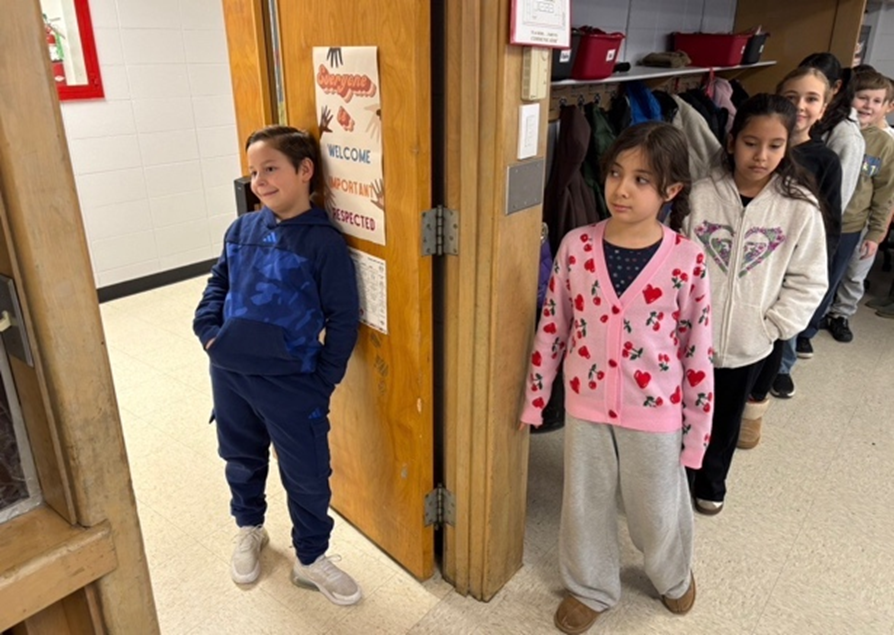
Each role matters, and I make sure students feel that. They take pride in doing their part. This isn’t just about helping me—it’s about helping each other. Kids love feeling purposeful, and when their classroom needs them, they rise to the occasion.
Here’s how it works:
It’s real-world skill building repackaged as classroom fun.
Not every job is popular. One year, no one applied for the librarian role. So, I made it special:
Suddenly, the job was exciting and meaningful.
In all my years assigning student jobs, no one has asked why they’re not getting paid. I think it’s because they understand intuitively that being part of a community means contributing to it—something that sets a great foundation for adulthood.
This is where the magic happens. Because routines are clear and jobs are owned by students, I can step out for a meeting, or a day off, or when life happens, and the classroom still runs efficiently.
My students who are in self-contained classrooms follow the same routines. My multilingual learners know exactly who to ask for help. My leaders step up without prompting. When students take the lead, everything changes.
One of my favorite routines is writing a happy mail each day to highlight a student. I borrow language from their job application, their interview, or the strengths they demonstrate in the classroom. I describe how they are contributing, improving, or making a difference, and students collect these like badges of honor.
It’s just one more way to reinforce their value, to help them see themselves as capable contributors, and to build a classroom culture rooted in encouragement rather than comparison.
Subscribe to Our Blog
For more on creating student-centered classrooms, check out:
Transform Your Classroom with Student-Centered Learning
Why Small Group Instruction Matters: Benefits and Strategies
3-min. read

3-min. read

3-min. read